

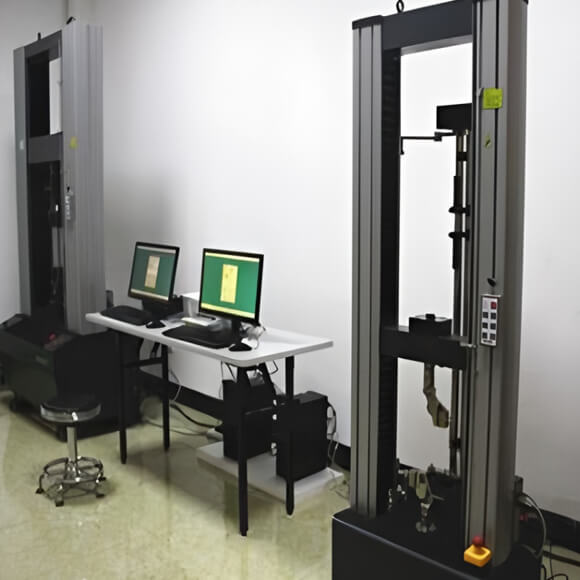
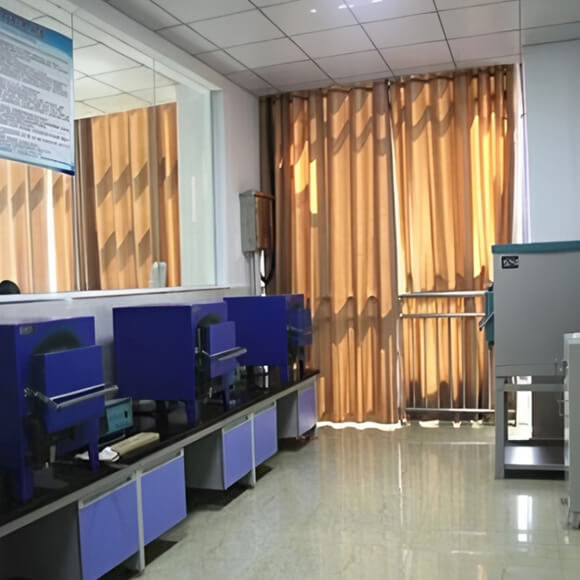
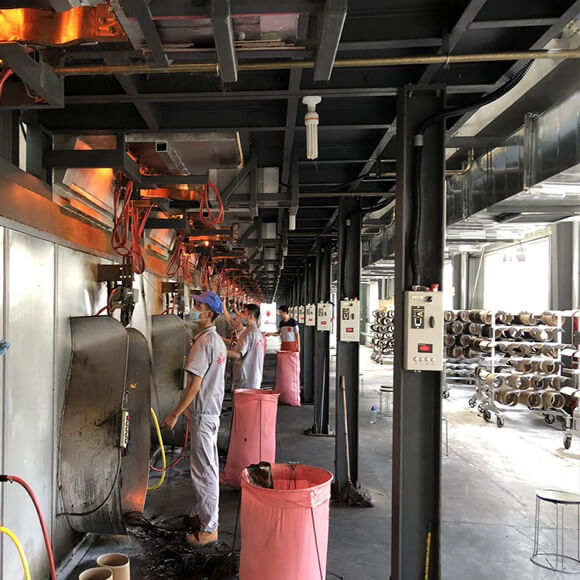
As modern infrastructure projects raise higher requirements for material durability, stability and safety, traditional geotextiles such as glass fiber and aramid fiber can hardly adapt to complex outdoor, corrosive and high-temperature working conditions. In recent years, basalt fiber woven geotextile has become a preferred new-generation material for road reinforcement, slope protection, water conservancy and anti-corrosion engineering due to its comprehensive performance advantages.
Compared with conventional fiber materials, basalt fiber geotextile delivers more balanced and superior performance. It features higher tensile strength than standard E-glass fiber with excellent toughness, effectively preventing foundation settlement and structural cracking. With a maximum working temperature of 800–1000℃, the material is non-combustible and highly heat-resistant, providing reliable thermal stability for high-temperature construction and fire-resistant projects.
In terms of environmental adaptability, basalt fiber shows outstanding acid and alkali resistance, excellent anti-corrosion performance and superior UV weather resistance. It maintains stable strength during long-term buried and outdoor service, making it ideal for saline land, coastal areas and sewage treatment projects, and greatly extending the service life of infrastructure.
A key advantage is its excellent electrical insulation property. Unlike conductive carbon fiber and standard E-glass fiber, basalt fiber effectively avoids electric conduction and lightning risks in open-air slope and field projects, significantly improving overall engineering safety.
 English
  中文版
中文版  Spain
Spain  Arabic
 Russian
 Korean
 Thai
Thai vietnamese
 Persian
 Deutsch
 Türkce
 日本語
日本語 Portuguese