

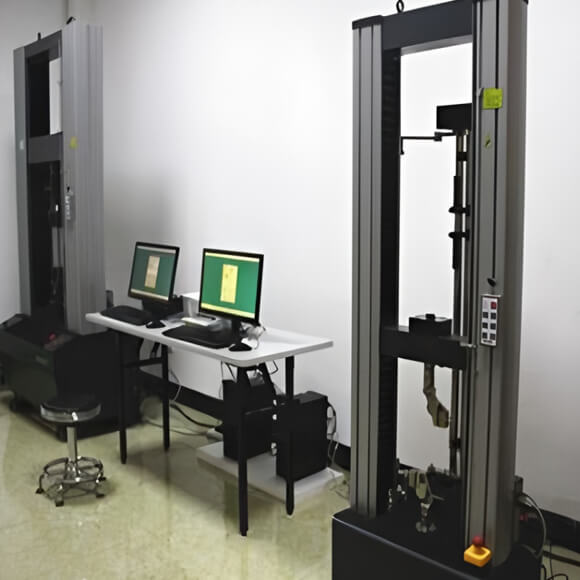
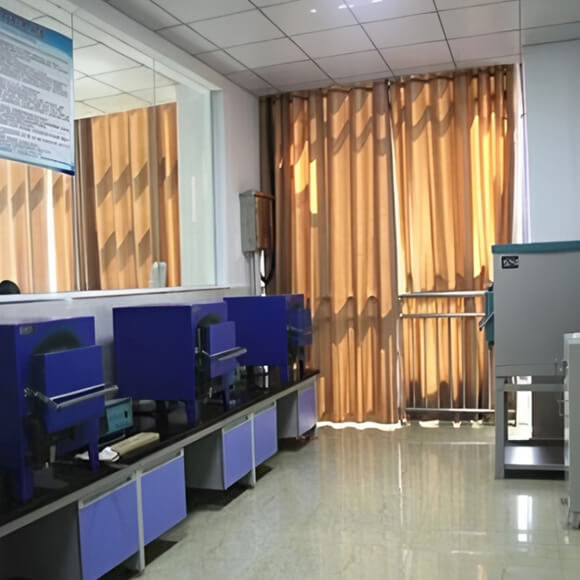
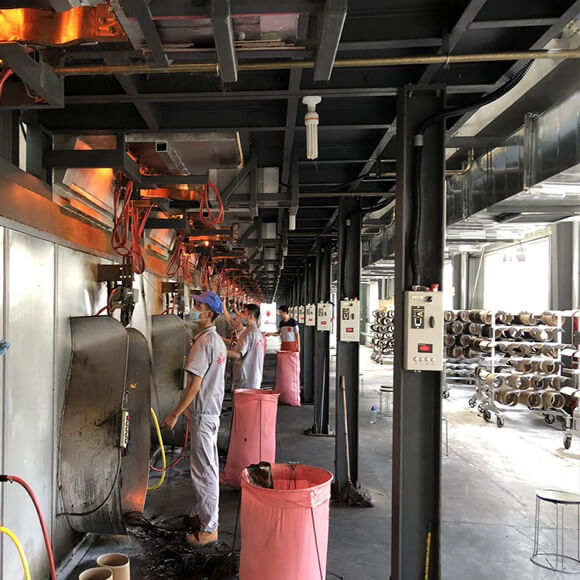
Driven by global low-carbon transformation and continuous upgrading of green infrastructure, the high-performance composite material industry has entered a period of rapid development. As a pure natural, high-performance and pollution-free green new material, basalt fiber features excellent mechanical strength, outstanding corrosion and weather resistance, insulation and non-magnetic properties, as well as long service life. It has become a core alternative to traditional steel and ordinary glass fiber, and is widely applied in infrastructure construction, transportation, marine engineering, new energy, municipal engineering and many other fields.
Made of pure natural basalt ore through high-temperature melting, wire drawing and professional surface modification technology, basalt fiber is eco-friendly in production without secondary pollution, fully complying with global low-carbon production and prefabricated construction standards. Compared with traditional glass fiber, it delivers better tensile strength, elastic modulus, high-temperature resistance and acid-base corrosion resistance. Meanwhile, it possesses significant cost performance against high-end materials such as carbon fiber, supporting large-scale mass production and adapting to diverse engineering and industrial scenarios.
Supported by mature full-industry chain technologies, basalt fiber adopts customized sizing formulas to precisely adapt to multiple processing technologies, including FRP rebar pultrusion, profile processing, chopped fiber modification and fabric weaving. It meets the strict standards of high-end key projects and fits civil scenarios such as cement and asphalt modification, achieving comprehensive product adaptability.
At present, basalt fiber reinforced polymer (BFRP) has become a preferred material for infrastructure anti-corrosion, structural reinforcement and equipment lightweighting. Featuring non-magnetization, corrosion resistance and maintenance-free performance, basalt fiber rebar effectively solves the industry pain points of steel corrosion and poor weather resistance of ordinary glass fiber. It is widely used in key projects including cross-sea engineering, subway tunnels, water conservancy facilities and rail transit. In addition, chopped basalt fiber, mesh fabric and composite profiles are extensively applied in road renovation, building reinforcement and new energy supporting projects.
 English
  中文版
中文版  Spain
Spain  Arabic
 Russian
 Korean
 Thai
Thai vietnamese
 Persian
 Deutsch
 Türkce
 日本語
日本語 Portuguese